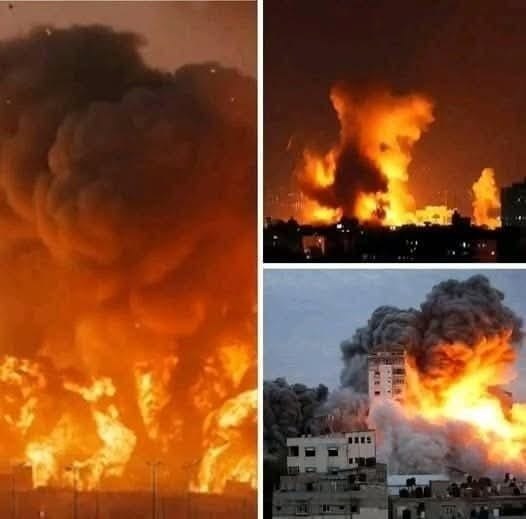
The precarious slopes of Pamplona Alta, a sprawling informal settlement perched on the hillsides of Lima, Peru, became the setting for a harrowing ordeal on a Saturday afternoon that began with deceptive calm. What started as an ordinary weekend—defined by the sounds of children playing in narrow alleys and the aroma of family meals cooking—shattered in an instant when a plume of thick, dark smoke began to rise from a single dwelling. Within minutes, the community was thrust into a desperate battle for survival against a fast-moving inferno that would ultimately threaten the lives and livelihoods of hundreds of families, reportedly destroying upwards of 300 homes and leaving a scar on the landscape that will take years to heal.
The speed with which the fire moved was a terrifying testament to the structural vulnerabilities inherent in these hillside communities. Many of the homes in Pamplona Alta are constructed from lightweight, highly flammable materials such as wood, cardboard, and plastic sheeting, often packed tightly together with little to no space between them. When the first spark ignited, the fire found an abundance of fuel, leaping from roof to roof with predatory efficiency. As the flames took hold, the initial panic of the residents transformed into a frantic evacuation. People were forced to make split-second decisions, grabbing children, pets, or vital documents before fleeing uphill, as the geography of the settlement meant that the only path to safety often lay toward the rocky summits above them.
While official investigations into the origin of the blaze are ongoing, early reports from the scene have pointed toward a deeply troubling possibility: the existence of an unauthorized fireworks workshop operating within the residential cluster. This theory highlights a secondary layer of danger common in informal settlements, where economic necessity often drives residents to conduct high-risk industrial activities within their own homes. The presence of volatile chemicals and explosive materials would have acted as an accelerant, turning a manageable kitchen fire or electrical short into a catastrophic blast. If confirmed, this detail underscores a systemic failure in urban safety, where the lack of formal economic infrastructure forces families to choose between financial survival and physical safety.
The logistical challenge of combating a fire in a place like Pamplona Alta cannot be overstated. When the alarm was raised, Lima’s heroic firefighting units rushed toward the district, only to find themselves stymied by the very environment they were sworn to protect. The streets in these settlements are often little more than narrow, unpaved pedestrian paths, far too tight for heavy fire engines to navigate. Furthermore, the steep inclines and lack of pressurized water hydrants meant that crews had to perform backbreaking labor, manually dragging hundreds of meters of heavy hoses up vertical slopes. While the firefighters worked with grueling determination, volunteers from the community and neighboring districts formed human chains, passing buckets of water and helping the elderly navigate the treacherous terrain. It was through this combined effort of professional courage and grassroots solidarity that the fire was eventually contained, preventing it from jumping across the ravines to consume even more neighborhoods.
The aftermath of the fire revealed a landscape of total desolation. Where rows of houses once stood, only charred remnants and twisted metal remained. For the displaced families, the loss is total. In the rush to escape, many were left with nothing but the clothes on their backs. Children lost their school supplies, uniforms, and toys; parents lost the documents necessary to prove their identities or their right to the land they occupied. The material loss is staggering, but the psychological toll is perhaps even more profound. The sense of security that a home provides—no matter how humble—was incinerated in a single afternoon, replaced by the crushing weight of uncertainty.
In the immediate wake of the disaster, a massive humanitarian response was triggered. Emergency shelters were rapidly erected in safer zones, providing temporary respite from the elements. Local non-governmental organizations, religious groups, and individual citizens mobilized through social media to coordinate the delivery of food, clean water, hygiene kits, and medical supplies. Mental health professionals also arrived on the scene, recognizing that the trauma of losing everything can leave invisible wounds that are just as debilitating as physical ones. This wave of support has been vital, yet those on the ground acknowledge that short-term charity is only a temporary bandage on a much larger, structural wound.
The tragedy in Pamplona Alta serves as a stark, unavoidable mirror reflecting the broader issues of urban planning and social inequality in Latin American metropolises. These settlements are not merely products of poor choices by individuals; they are the result of decades of rapid urbanization, a lack of affordable housing, and the absence of state presence in marginalized areas. Experts pointing to the disaster emphasize that until there are systemic reforms—such as the formalization of property rights, the installation of proper fire-suppression infrastructure, and the creation of safe zones for small businesses—these communities will remain one spark away from total annihilation. The “hidden dangers” mentioned in the early reports are only hidden because the state has historically looked the other way.
Despite the magnitude of the catastrophe, the story of Pamplona Alta is not exclusively one of victimhood; it is also a powerful narrative of human resilience. Even as the smoke was still clearing, residents could be seen returning to their plots, siftings through the ashes for any salvageable mementos. There is an indomitable spirit in the way these neighbors support one another, sharing what little food they have left and beginning the grueling process of clearing debris. This resilience is a testament to the strength of the community, but it is also a quiet demand for justice. The families of the hillsides do not want to simply “rebuild” the same vulnerabilities; they want a future where their homes are recognized, protected, and safe.
Looking forward, the road to recovery for the hundreds of families affected will be long and arduous. It will require sustained investment from the municipal government and a commitment to transforming these hillsides into resilient urban environments. The fire has exposed the cracks in the system, but it has also shown the extraordinary capacity for solidarity among the people of Lima. As Pamplona Alta begins the slow process of rising from the ashes, the memory of that Saturday afternoon will serve as a permanent reminder of the urgent need for change. The courage shown by the residents, the firefighters, and the volunteers provides a glimmer of hope that out of this destruction, a more secure and equitable community can eventually emerge. For now, the focus remains on the families, ensuring that no one is left to face the cold nights of the Andean slopes without a roof over their heads and the promise of a better tomorrow.