
The hotel lobby was quiet in that tense, artificial way that comes just before something goes wrong. The late hour had thinned the crowd, leaving behind a handful of travelers slumped into armchairs, a desk clerk fighting fatigue, and the soft hum of fluorescent lights. When the man and the girl stepped inside, no one paid much attention at first. It was only after a few minutes that unease began to ripple through the room.
The girl walked with her shoulders slumped forward, dragging a small sports bag behind her. Her hair was pulled back hastily, strands clinging to her face. She looked exhausted, not curious, not chatty, not like a child excited to be somewhere new. The man beside her moved quickly, scanning his phone, checking the time, then glancing toward the desk as if urging the process along. He spoke little. When he did, his voice was tight, clipped, and strained.
At the front desk, the check-in felt rushed. The man leaned forward, one hand on the counter, eyes flicking toward the elevators. The girl stood close but said nothing. To the staff, trained to notice patterns, it didn’t look right. Late-night arrival. A tired child. A father who seemed distracted and anxious. No visible warmth. No smiles. No explanation offered. The room began to feel heavier.

Employees exchanged glances. No one wanted to jump to conclusions, but no one wanted to ignore a warning sign either. Hospitality training emphasizes vigilance for a reason. It’s better to ask and be wrong than to stay silent and regret it. Still, the fear of misreading a situation hung in the air. Accusations, even implied ones, can cause real harm.
Security was alerted quietly. Not with urgency, not with force, but with concern. By the time they approached, tension had settled deep into the room. Guests pretended not to watch. Staff pretended not to notice the watching. The girl stared at the floor. The father tightened his grip on the phone.
Security didn’t accuse. They didn’t corner or demand. They asked gentle questions. Was everything okay? Did they need assistance? Was the trip long? The father blinked, clearly caught off guard, then let out a breath he seemed to have been holding for hours.
The story came out in fragments at first, then all at once. A youth tournament three states away. A team that had unexpectedly advanced further than planned. Twelve hours on the road instead of six. Traffic jams. Missed meals. No hotel booked because the return was supposed to be same-day. A phone battery that wouldn’t hold a charge. A kid who played her heart out and then crashed emotionally and physically.

The father wasn’t hiding anything. He was exhausted and overwhelmed, trying to get his daughter somewhere safe so she could sleep. The constant phone-checking wasn’t secrecy; it was navigation apps, messages from worried coaches, and a dying battery. His urgency wasn’t suspicion—it was desperation to end a day that had gone far past empty.
The girl finally spoke. She was tired. Her legs hurt. She wanted a shower and a bed. That was it. No fear. No distress. Just a child at the absolute edge of her endurance.
The tension broke almost instantly. Shoulders dropped. Expressions softened. Apologies came quickly, awkwardly, from both sides. The father apologized for seeming abrupt. The staff apologized for the interruption. Security stepped back, satisfied but thoughtful. Everyone involved understood the same truth at the same time: this could have gone very differently if handled with less care.
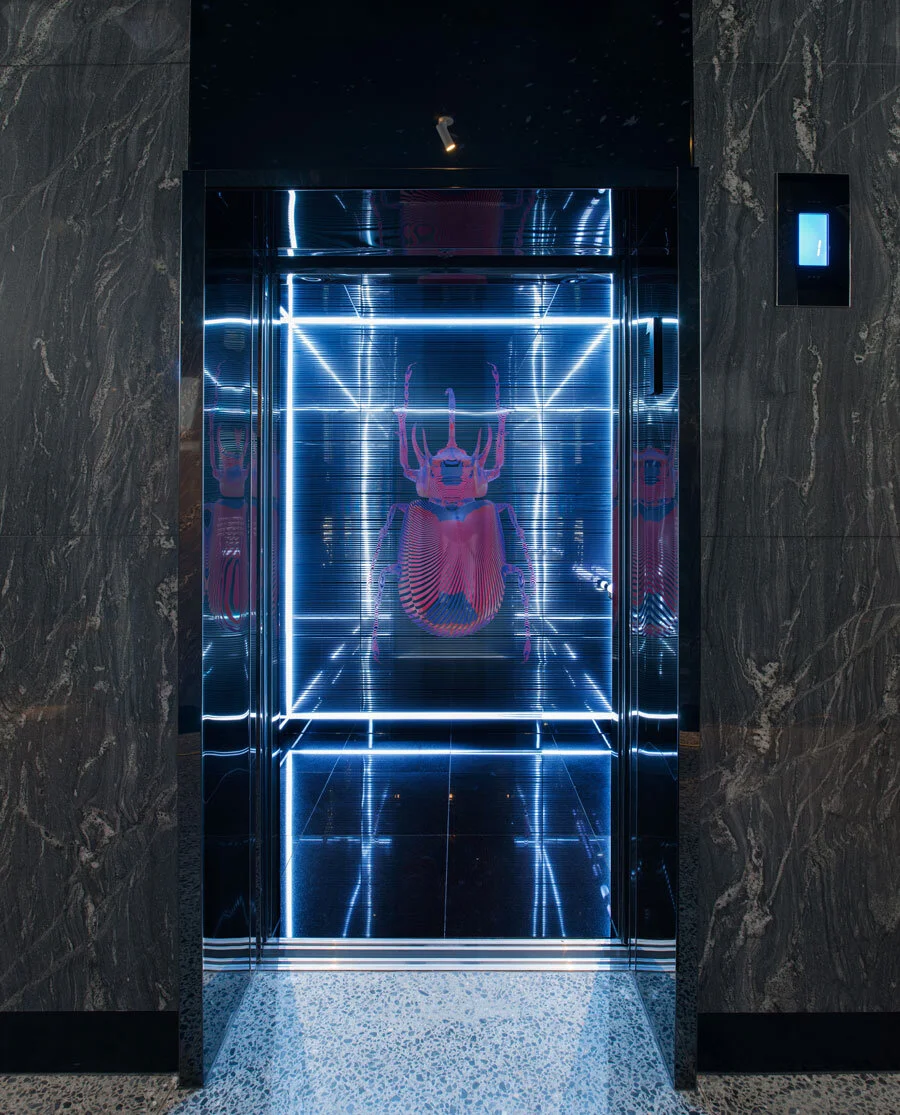
They finished check-in slowly now. The father thanked them more than once. The girl managed a small smile when handed the room key. They disappeared into the elevator, finally heading toward rest instead of scrutiny.
In the lobby, conversation resumed, but something had shifted. No one felt embarrassed. No one felt defensive. The staff returned to their posts with a renewed sense of purpose. They had done what they were trained to do: notice, assess, and act with restraint. They protected without accusing. They questioned without condemning.
This wasn’t a failure of judgment. It was judgment functioning exactly as intended. Real safety isn’t built on blind trust or constant suspicion. It lives in the space between awareness and empathy. It requires the courage to intervene and the humility to listen.
The father and daughter slept that night. Deep, heavy sleep earned through effort and strain. The staff went home knowing they had chosen caution without cruelty. And the guests who witnessed it left with a quiet reminder that vigilance and compassion are not opposites. They are partners.

Not every concerning moment hides a dark truth. Sometimes it hides exhaustion, pressure, and a parent doing their best under less-than-ideal circumstances. But the only way to know is to ask, and the way you ask makes all the difference.
That night didn’t end with drama or headlines. It ended with rest, relief, and a lesson carried silently by everyone involved: protecting people means seeing them clearly, not just cautiously.