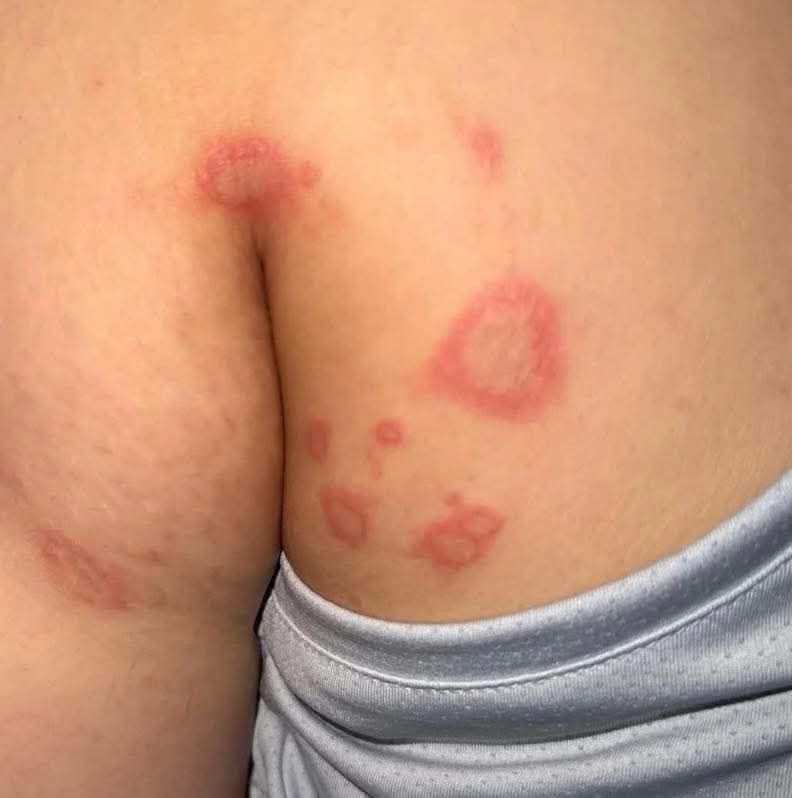
Discovering a new bump, spot, or unfamiliar patch of skin in your genital area can be alarming. Whether you’re young or older, any unexpected change in such a sensitive region often raises immediate concern. The important thing to know is that genital skin changes are extremely common, and most people will experience them at some point. Some causes are harmless, others require treatment, and recognizing the difference is key.
This guide explains the most common causes of bumps in the genital area, when to worry, and when to see a healthcare professional.
Why Bumps Appear in the Genital Area
The skin around the genitals is sensitive and exposed to friction, shaving, heat, moisture, and tight clothing. It also contains many sweat glands, oil glands, and hair follicles. Because of this, the area reacts quickly to irritation, infection, and inflammation.
Understanding the nature of the bump helps reduce fear and guides your next steps.
Common and Harmless Causes of Genital Bumps
1. Folliculitis (Ingrown Hair or Inflamed Hair Follicle)
Folliculitis is one of the most common reasons for bumps in the genital area.
Causes include:
- Shaving or waxing
- Sweating
- Tight clothing
- Bacteria entering hair follicles
Symptoms:
- Red or white pimple-like bumps
- Mild itching or irritation
- Sometimes filled with pus
When to worry:
If bumps spread, become painful, or do not improve in a few days, seek medical evaluation.
2. Sebaceous (Epidermoid) Cysts
These are smooth, round, painless lumps caused by blocked oil glands.
Key features:
- Slow-growing
- Usually harmless
- May become tender if irritated
Most resolve on their own. If they enlarge or become painful, a doctor can remove or drain them.
Conditions That Require Medical Evaluation
3. Genital Warts (HPV)
Genital warts are caused by certain types of human papillomavirus (HPV).
Symptoms:
- Flesh-colored, soft bumps
- May appear singly or in clusters
- Sometimes cauliflower-like
Because HPV is common and often silent, professional diagnosis is important.
4. Genital Herpes (HSV)
Herpes lesions often begin as small fluid-filled blisters that open into tender sores.
Early signs include:
- Tingling
- Burning
- Itching
Outbreaks may recur. Early diagnosis helps manage symptoms and prevent transmission.
5. Molluscum Contagiosum
A viral skin condition spread through close contact.
Appearance:
- Small, round, pearl-like bumps
- Tiny central dimple
- Usually painless
While molluscum often resolves naturally, treatment may be needed to prevent spreading.
6. Syphilis (Painless Genital Sore)
Syphilis starts with a single, painless sore, known as a chancre.
Because it does not hurt, many people ignore it — allowing the infection to progress.
Early treatment with antibiotics is highly effective, making evaluation essential.
7. Chronic Skin Conditions (Lichen Sclerosus, Lichen Planus)
These non-infectious inflammatory conditions can cause:
- Intense itching
- Thin or fragile skin
- White patches
- Flat or discolored bumps
These require medical diagnosis and long-term management to prevent progression.
When You Should See a Doctor
Seek medical attention if the bump:
- lasts longer than two weeks
- becomes painful, grows, or changes color
- bleeds or cracks
- comes with fever or significant discomfort
- causes pain during intimacy
- appears with recurring sores or itching
Getting evaluated early provides clarity and prevents complications.
Why Self-Diagnosis Is Risky
Many genital conditions look similar, especially in the early stages.
A bump that resembles an ingrown hair may have a completely different cause.
Online pictures are often misleading, and guessing can delay proper treatment.
What to Monitor Before Your Appointment
Take note of:
- When the bump appeared
- Whether it is changing in size or color
- Recent shaving or waxing
- New soaps, detergents, or hygiene products
- Tight clothing or heavy sweating
These details help your clinician make an accurate diagnosis.
Key Takeaway
A bump in the genital area is not a diagnosis — it’s a signal. Some bumps are harmless irritations. Others require medical evaluation. Knowing the common causes empowers you to respond calmly and responsibly. Regardless of the outcome, seeking medical advice is a smart and completely normal step toward protecting your health.