Cancer doesn’t always announce itself loudly. It can creep in quietly, disguised as everyday aches, fleeting discomforts, or changes so subtle you might brush them off as “nothing serious.” For women, who often juggle countless responsibilities, it’s all too easy to dismiss these whispers of the body. But ignoring these signs could mean missing a critical chance for early detection—a chance that could save your life. This article uncovers 14 visible, often-overlooked cancer warning signs that every woman should recognize. Designed to keep you engaged and informed, this guide will empower you to listen to your body and act before it’s too late.
Your health is worth pausing for. Let’s dive into the signs that could be your body’s way of sounding the alarm.

1. Unexplained Lumps or Swelling
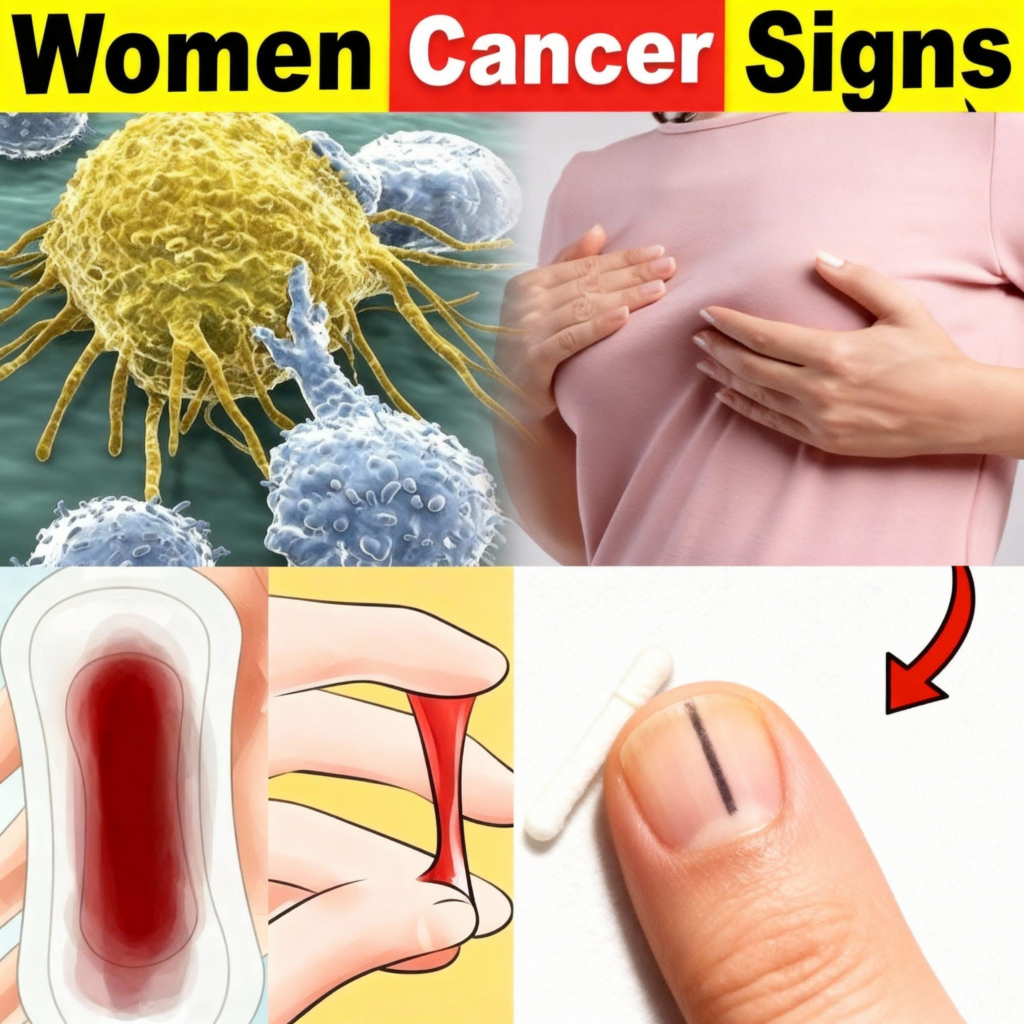
A new lump or swelling anywhere on your body—whether in your breast, neck, underarm, or elsewhere—demands attention. These growths might feel like a small pebble under your skin or a vague swelling that’s hard to pinpoint. Even if they’re painless, don’t dismiss them. They could signal breast cancer, lymphoma, or another serious condition. Regular self-exams are your first line of defense. Run your fingers gently over your breasts, armpits, and neck. Notice anything unusual? Schedule a doctor’s visit immediately. Early investigation can make all the difference.
2. Skin Changes That Don’t Fade
Your skin tells a story, and sudden changes could be a warning. New moles, dark spots, or patches that thicken, itch, or refuse to heal are red flags. Skin cancer, including melanoma, often starts with these subtle shifts. Pay attention to moles that change in size, shape, or color, or sores that linger beyond a few weeks. Grab a mirror and check your skin regularly, especially areas exposed to the sun. If something feels off, trust your instincts and consult a dermatologist.
3. Breast or Nipple Changes
Your breasts are uniquely yours, so you’re the best person to notice when something’s not right. Look for changes in shape, dimpling, redness, or swelling. Nipple changes—like discharge, inversion, or scaling skin—are equally concerning. These could point to breast cancer, even in its earliest stages. Make self-exams a monthly habit. Stand in front of a mirror, observe your breasts from different angles, and feel for anything unusual. If you spot changes, don’t wait—see a healthcare provider for imaging or a biopsy.
4. Abnormal Vaginal Bleeding
Vaginal bleeding outside your normal cycle is never “just one of those things.” Bleeding between periods, after intercourse, or after menopause could signal cervical, uterine, or ovarian cancer. Even light spotting warrants a closer look. Keep a journal of your menstrual cycle and any irregular bleeding. If you notice a pattern—or even a single episode—reach out to your gynecologist. Early detection of reproductive cancers relies on catching these signs quickly.
5. Persistent Bloating
We all feel bloated sometimes, but constant bloating that lingers for weeks is different. If your abdomen feels full, heavy, or swollen despite dietary changes, it could be a sign of ovarian or gastrointestinal cancer. Ovarian cancer, in particular, is notorious for vague symptoms like bloating, which women often dismiss. Track how often you feel this way and note any accompanying discomfort. A doctor may recommend imaging or blood tests to investigate further.
6. Pelvic or Lower Back Pain
Ongoing pain in your pelvis, lower abdomen, or lower back isn’t just a sign of overexertion or stress. Persistent discomfort in these areas could point to cancers of the ovaries, uterus, or other reproductive organs. Unlike temporary aches, this pain doesn’t fade with rest or over-the-counter remedies. If it’s been a few weeks and the pain persists, schedule a visit with your doctor. Tests like ultrasounds or CT scans can help pinpoint the cause.
7. Changes in Bowel Habits
Your digestive system is sensitive to changes, and long-term shifts in bowel habits could signal trouble. Chronic constipation, diarrhea, or blood in your stool might indicate colon or rectal cancer. These symptoms can feel embarrassing to discuss, but they’re critical to address. Keep track of how often these changes occur and whether they’re paired with abdominal pain or weight loss. A colonoscopy or other diagnostic tests could provide clarity and catch issues early.
8. Urinary Problems or Blood in Urine
Frequent urges to urinate, pain during urination, or blood in your urine are not just signs of a urinary tract infection. These could point to bladder or kidney cancer. Blood in the urine, even if it’s faint or occasional, is particularly concerning. Don’t assume it’s a minor issue that will resolve on its own. A urologist can run tests, like a cystoscopy or imaging, to rule out serious conditions.
9. Chronic Fatigue That Won’t Quit
Feeling exhausted all the time, even after a good night’s sleep, isn’t normal. Chronic fatigue that lingers for weeks or months could be a sign of leukemia, lymphoma, or other cancers affecting your blood or energy levels. Unlike typical tiredness, this fatigue feels heavy and unrelenting, often paired with other symptoms like bruising or weight loss. If rest doesn’t recharge you, talk to your doctor about blood tests or further evaluation.
10. Unintentional Weight Loss
Losing weight without trying sounds like a dream, but it can be a nightmare. Dropping 5–10% of your body weight unexpectedly could signal metabolic changes caused by cancer. Cancers like pancreatic, stomach, or lung cancer often cause this symptom. If you haven’t changed your diet or exercise routine but the pounds are melting away, see a doctor. Bloodwork or imaging can help uncover the underlying cause.
11. Persistent Cough or Hoarseness
A cough that won’t go away or a voice that stays hoarse for weeks could be more than a cold. These symptoms might point to lung, throat, or thyroid cancer. Smokers and non-smokers alike should take a lingering cough seriously, especially if it’s paired with chest pain or shortness of breath. A chest X-ray or ENT evaluation can help determine if cancer is the culprit.
12. Difficulty Swallowing
If swallowing feels painful or like food is getting stuck, don’t ignore it. Persistent difficulty swallowing could indicate esophageal or throat cancer. This symptom often starts subtly but worsens over time. If it lasts more than a few weeks, see a specialist. Tests like an endoscopy can examine your throat and esophagus for abnormalities.
13. Easy Bruising or Unusual Bleeding
Bruises that appear without reason, frequent nosebleeds, or bleeding gums could signal blood cancers like leukemia. These conditions disrupt your body’s ability to clot blood properly. If you notice bruises popping up after light bumps or bleeding that seems excessive, don’t wait. A hematologist can run blood tests to check for abnormalities in your blood cells.
14. Mouth Sores or White Patches
Sores, white patches, or red patches in your mouth or throat that don’t heal after two weeks could be signs of oral cancer. This is especially true for women who smoke, chew tobacco, or drink alcohol regularly. Check your mouth regularly in a mirror, looking for changes in color or texture. A dentist or oral surgeon can perform a biopsy if something looks suspicious.
Why These Signs Matter
Every symptom on this list is a potential clue from your body. Women are often conditioned to push through discomfort, prioritizing family, work, or other responsibilities over their health. But your body deserves your attention. These signs aren’t meant to scare you—they’re meant to empower you. Recognizing them early could lead to a diagnosis when cancer is most treatable.
Taking Action: What to Do Next
Knowledge is only half the battle. Acting on it is what saves lives. Start by scheduling regular checkups and screenings, like mammograms, Pap smears, and colonoscopies, based on your age and risk factors. Perform monthly self-exams for your breasts and skin. Keep a symptom journal to track anything unusual, noting when it started, how often it occurs, and any related symptoms. Share this with your doctor—they’ll appreciate the clarity.
If any of these signs sound familiar, don’t panic, but don’t delay either. Make an appointment with a healthcare provider. Be specific about your symptoms, and don’t let vague reassurances like “it’s probably nothing” stop you from seeking answers. If something feels off, advocate for yourself. Request imaging, blood tests, or a referral to a specialist if needed.
The Power of Early Detection
Early detection is a game-changer. Breast cancer caught in its earliest stage has a 99% five-year survival rate. Cervical cancer, when detected early, is highly treatable. Even aggressive cancers like ovarian or pancreatic cancer have better outcomes when caught before they spread. Regular screenings and listening to your body are your strongest weapons.
Listening to Your Body
Your body is always communicating, but it’s up to you to listen. Subtle changes—like a new lump, persistent pain, or unexplained fatigue—are your body’s way of waving a flag. Don’t dismiss them as “just stress” or “getting older.” You know your body better than anyone. Trust your instincts, and act on them.
Empowering Yourself
Cancer is a daunting word, but knowledge is power. By familiarizing yourself with these 14 warning signs, you’re taking control of your health. Share this information with the women in your life—your mother, sister, daughter, or friend. Encourage them to prioritize their health too. Together, you can create a ripple effect of awareness and action.
A Call to Stay Vigilant
Your health is your greatest asset. Don’t let subtle symptoms slip through the cracks. Stay curious about your body, stay proactive with screenings, and stay empowered to seek answers. These 14 signs are your roadmap to catching cancer early, when it’s most beatable. Take charge of your health today—because you’re worth it.