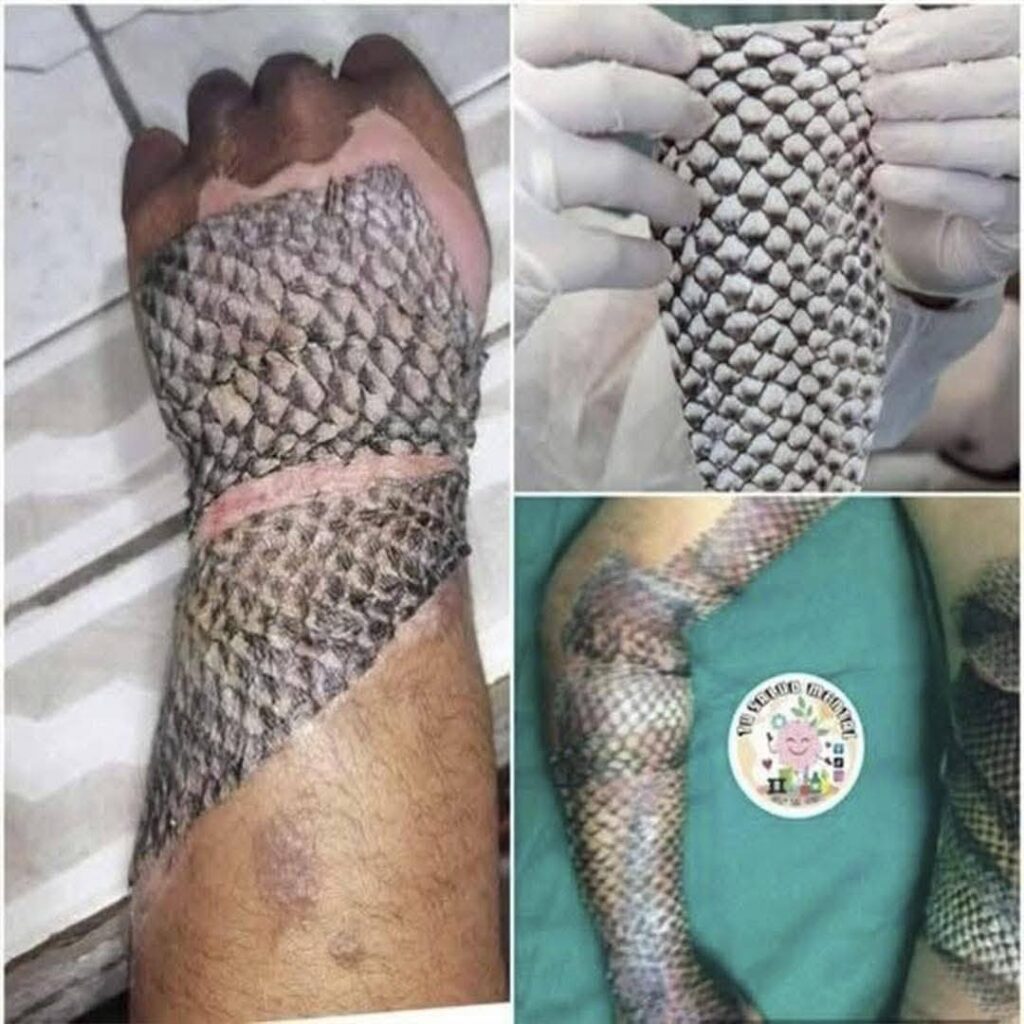
Innovative Use of Tilapia Skin in Burn Treatment
Medical advancements often emerge from unexpected sources, highlighting the remarkable potential of natural remedies to address complex health challenges. One such breakthrough comes from the unlikely use of tilapia skin in the treatment of burn injuries. This innovative approach has not only demonstrated significant effectiveness but also offers a more affordable and accessible alternative to traditional methods, potentially transforming patient care globally, particularly in resource-limited healthcare settings.
Background on Burn Treatment
For decades, the treatment of burns has primarily relied on skin grafts, expensive topical ointments, and a variety of synthetic materials. While these treatments have proven to be effective in many cases, they often come with high costs, the risk of complications, and are typically unavailable in underdeveloped or low-resource areas. As a result, researchers and healthcare professionals have been seeking alternative methods to improve the healing process, reduce costs, and make burn treatments more accessible.
In Brazil, a team of researchers set out to find a more economical, efficient, and sustainable solution for treating burns. Their search led them to an unexpected but promising resource: the skin of tilapia fish, a species commonly consumed in Latin America.
The Discovery of Tilapia Skin Properties
Tilapia, a freshwater fish, is widely farmed in many parts of the world, especially in Latin America, and has a significant presence in local diets. However, much of the fish’s skin is typically discarded as waste by the fishing industry, often overlooked for its potential medical applications. Early studies revealed that tilapia skin contains a remarkable concentration of collagen types I and III, two essential proteins involved in the human body’s tissue regeneration process. These types of collagen are crucial for providing structural support, promoting healing, and enhancing the flexibility of the skin, making tilapia skin an ideal candidate for burn wound treatment.
Additionally, tilapia skin was found to have anti-inflammatory and antimicrobial properties, which help protect the burn area from infections, a common and often dangerous complication in burn patients.
How Tilapia Skin Works for Burn Healing
When applied to burn wounds, tilapia skin acts as a natural biological dressing—sometimes referred to as a “second skin.” It works in several beneficial ways:
Protective Barrier: The skin forms a protective barrier over the wound, shielding it from environmental contaminants and external irritants, thus reducing the risk of infection.
Moisture Retention: By maintaining moisture in the burn area, tilapia skin enhances the healing process and prevents the wound from drying out, which can slow recovery and worsen scarring.
Pain Relief: Many patients treated with this method report significant relief from pain, as the skin helps protect nerve endings and reduce inflammation around the burn site.
Faster Healing: Clinical observations have shown that burn wounds treated with tilapia skin heal faster than those treated with conventional methods. The unique properties of tilapia skin encourage faster tissue regeneration, reducing recovery time.
Reduced Scarring: The collagen in tilapia skin not only supports healing but also helps minimize scarring, a common concern for burn victims. The result is a less noticeable, more natural appearance as the wound heals.
Moreover, the tilapia skin adheres well to the burn area, which reduces the need for frequent dressing changes—a common source of discomfort and anxiety for burn patients. This contributes to a simplified care process for both patients and healthcare providers.
Sterilization and Preservation Process
Before tilapia skin can be used in medical treatments, it undergoes an extensive sterilization process to ensure it is safe for application. The fish skin is carefully cleaned, disinfected, and then treated with glycerol to preserve its integrity until it is needed for use. This preservation process extends the shelf life of the skin, making it feasible to store it for use in medical settings until the right moment arrives.
Once sterilized, healthcare providers can apply the prepared skin directly onto the burn area. Depending on the severity of the burn and the patient’s condition, the skin may stay in place for several days, reducing the frequency of dressing changes and providing patients with a more comfortable recovery.
Challenges and Solutions in Implementation
While the use of tilapia skin in burn treatment has shown promising results, the transition to this innovative treatment has not been without its challenges. One of the primary hurdles is ensuring that healthcare providers are properly trained to apply tilapia skin safely and effectively. It is essential that medical staff are educated on its use, handling, and the specific protocols for its application, as well as the ethical considerations involved in using fish skin in medical treatments.
Another challenge is the logistics of sourcing, sterilizing, and storing tilapia skin in healthcare facilities, particularly in areas where resources are limited. In order to integrate this treatment method on a larger scale, healthcare systems must establish standardized procedures to ensure compliance with medical regulations and the efficient distribution of tilapia skin.
Clinical Outcomes and Patient Experiences
Clinical trials and patient reports indicate that the benefits of tilapia skin treatment go beyond accelerated healing times. Many patients treated with tilapia skin have experienced reduced scarring and fewer complications compared to conventional treatments. This not only enhances their physical recovery but also significantly improves their quality of life.
Psychologically, patients have described the emotional benefits of receiving a natural, effective treatment that they feel is both gentle and restorative. For many, the experience of using tilapia skin as a burn treatment has sparked a renewed sense of hope, contributing to a stronger emotional recovery. This innovative treatment represents a profound shift in how patients view the healing process, offering both physical and psychological comfort.
Future Applications of Tilapia Skin
While its primary application so far has been in burn treatment, researchers are exploring the potential of tilapia skin in other areas of medicine. Preliminary studies suggest that tilapia skin could be useful in treating chronic wounds, such as diabetic ulcers, and even surgical incisions. The skin’s collagen-rich composition makes it a promising candidate for a variety of regenerative medicine applications, from wound care to tissue engineering.
Ongoing research may also unlock new possibilities for the use of fish skin in the treatment of other skin conditions or for enhancing the healing of post-surgical wounds. As scientists continue to explore these avenues, we may see the emergence of new medical protocols incorporating fish-derived materials for a wide range of medical treatments.
Safety and Ethical Considerations
As with any new medical treatment, safety is a paramount concern. Extensive clinical trials have been conducted to ensure that tilapia skin is biocompatible with human skin, and the findings have been overwhelmingly positive. Biocompatibility studies indicate that the human body readily accepts the collagen in tilapia skin without adverse reactions or rejection.
From an ethical standpoint, the use of fish skin in medical treatments raises important questions about the sourcing of materials and the environmental impact of harvesting fish for this purpose. However, tilapia is an abundant and sustainable species, and much of the skin used in medical applications would otherwise be discarded as waste. The fact that tilapia skin is being repurposed for life-saving treatments represents a sustainable and humane practice in modern medicine.
Global Interest and Adoption
The success of tilapia skin in treating burns has sparked global interest, with healthcare institutions around the world, including in Latin America, Africa, and Asia, now exploring its use within their healthcare systems. The growing international recognition of this innovative treatment highlights how local ingenuity can offer global solutions to some of the world’s most pressing medical challenges.
A Symbol of Sustainable Medical Practices
The transformation of what was once considered waste into a vital medical resource also serves as a symbol of sustainable practices in healthcare. This method underscores the importance of looking to nature for answers and demonstrates that innovation doesn’t always come from high-tech solutions. Sometimes, the answers lie in simple, natural materials that have been overlooked.
Conclusion: A New Era in Regenerative Medicine
In conclusion, the use of tilapia skin in burn treatment is not only a groundbreaking medical advancement but also a paradigm shift in how we approach healing. By combining the wisdom of nature with the expertise of modern science, this treatment method serves as a testament to what can be achieved when we think outside the box and embrace natural, sustainable solutions. The future of regenerative medicine is undoubtedly brighter, and tilapia skin may just be one of the key innovations that lead the way in reshaping healthcare practices worldwide.